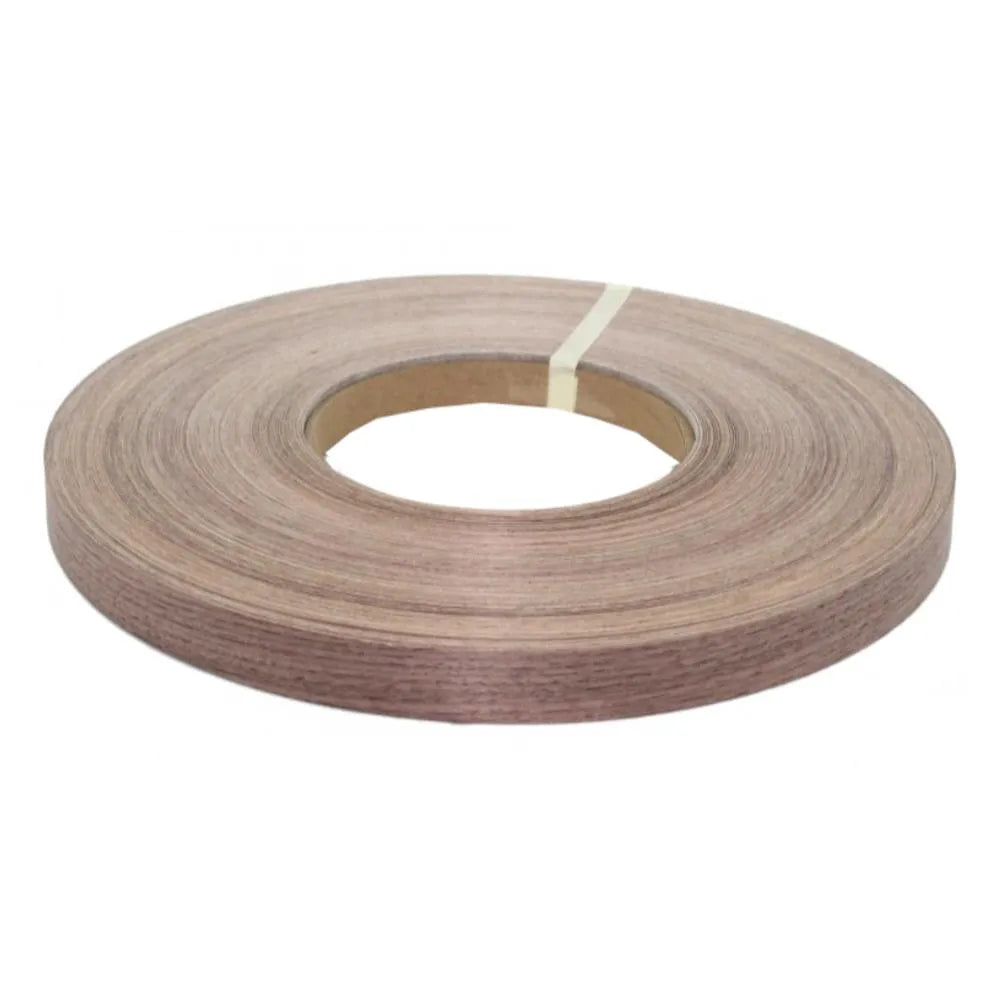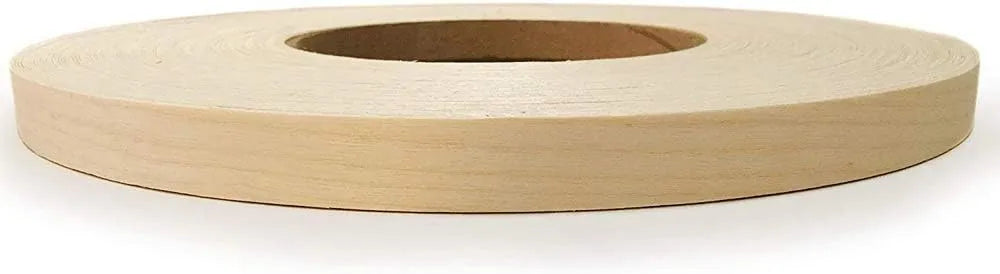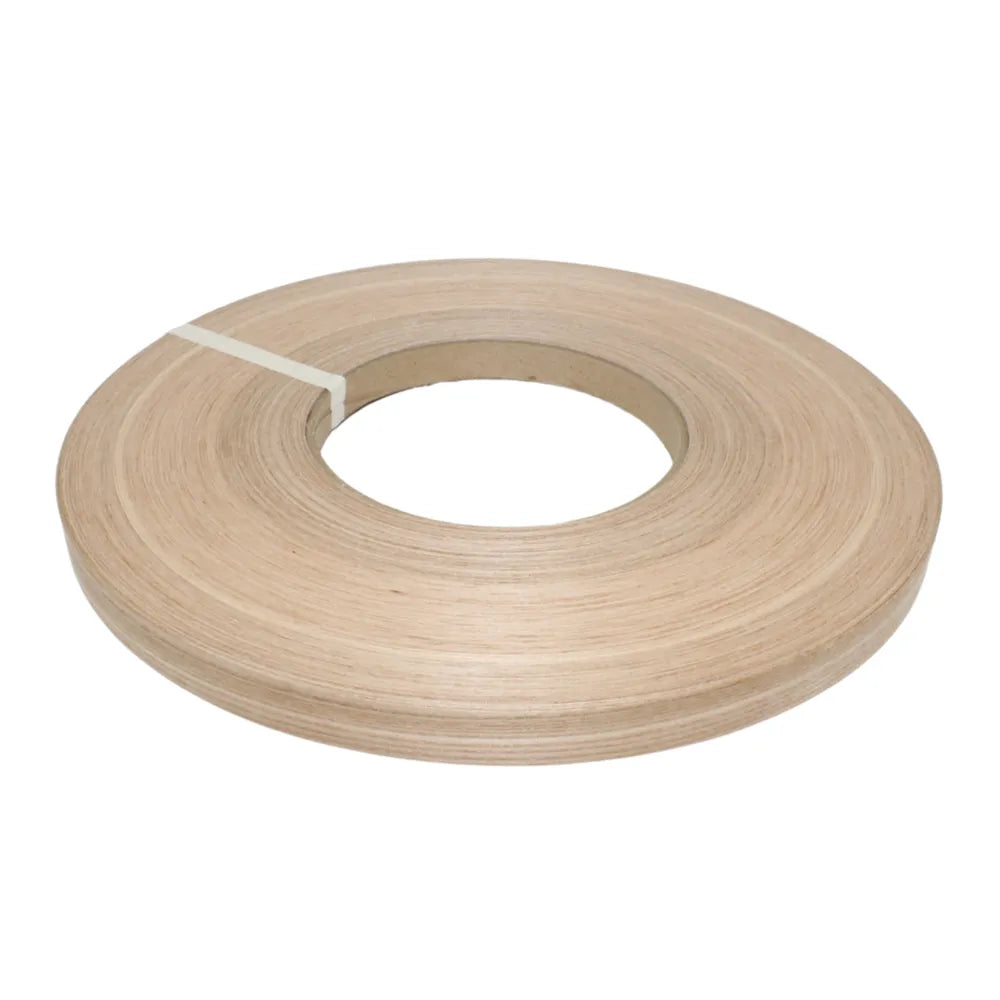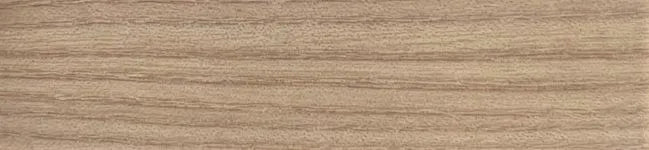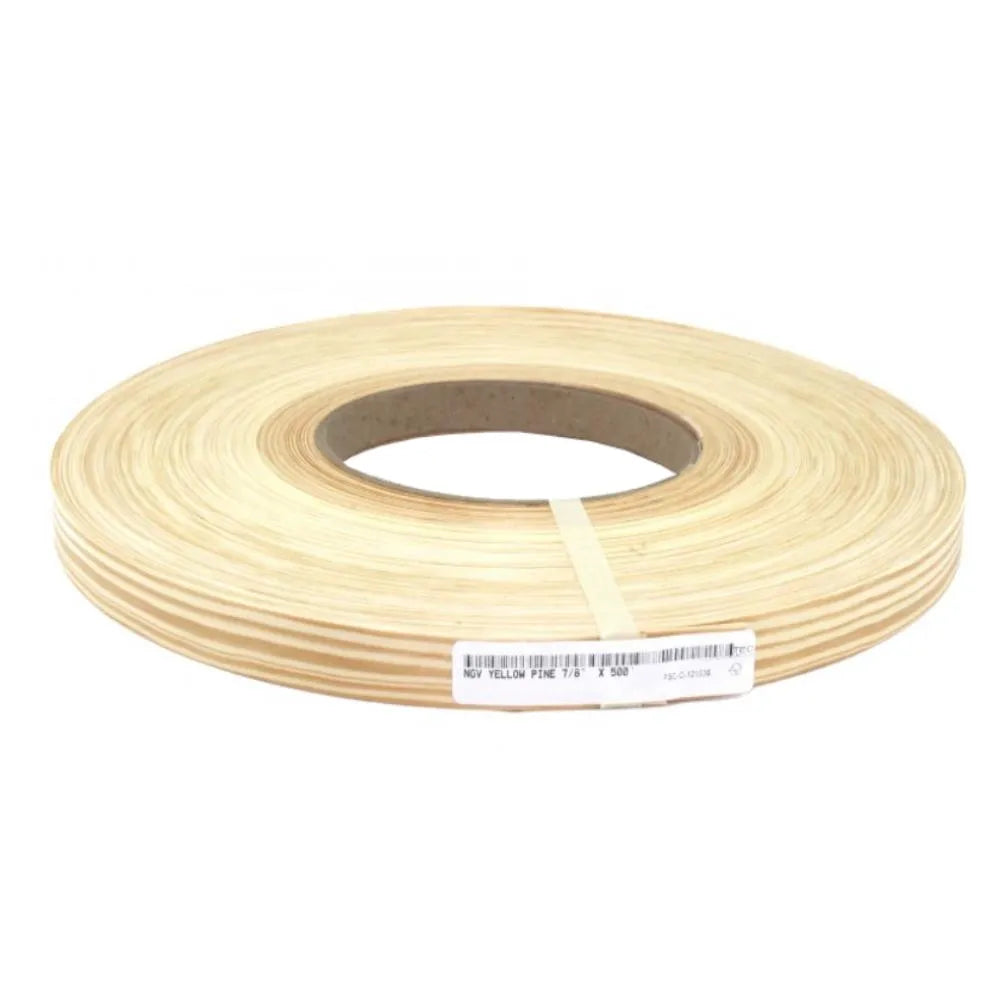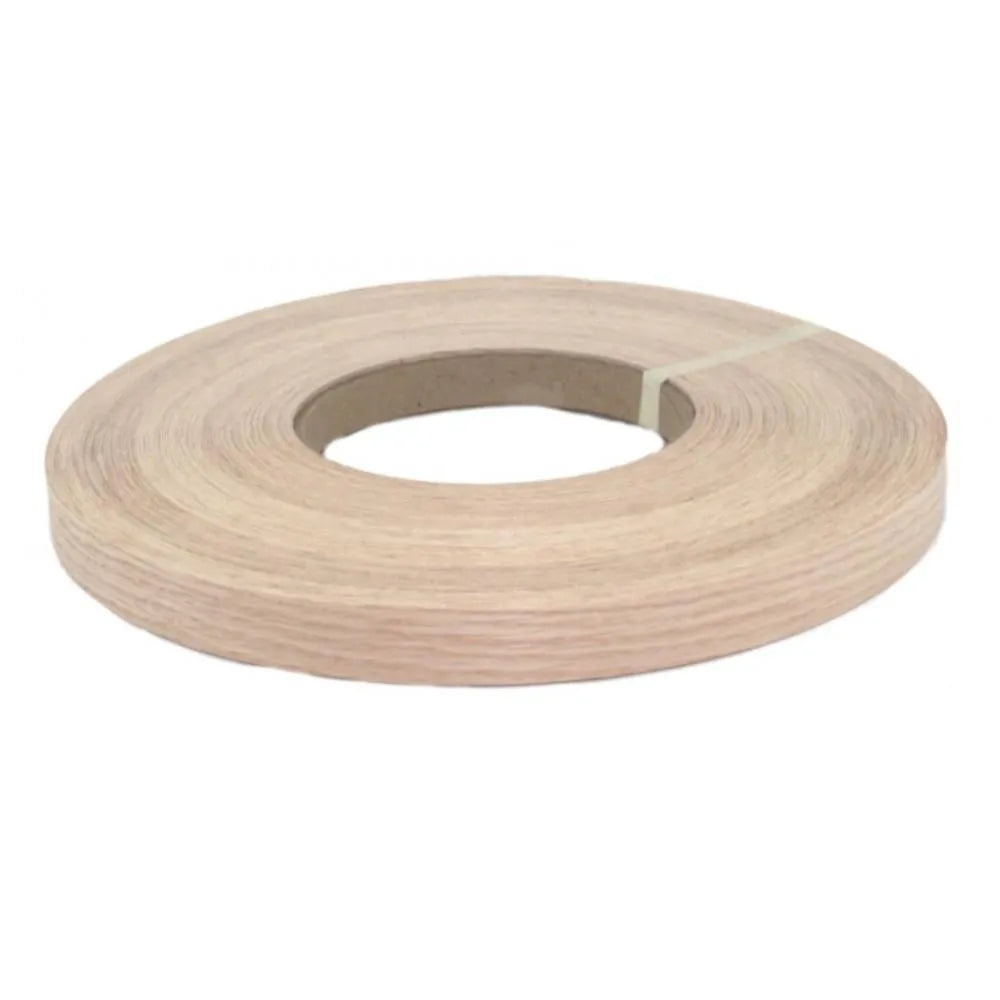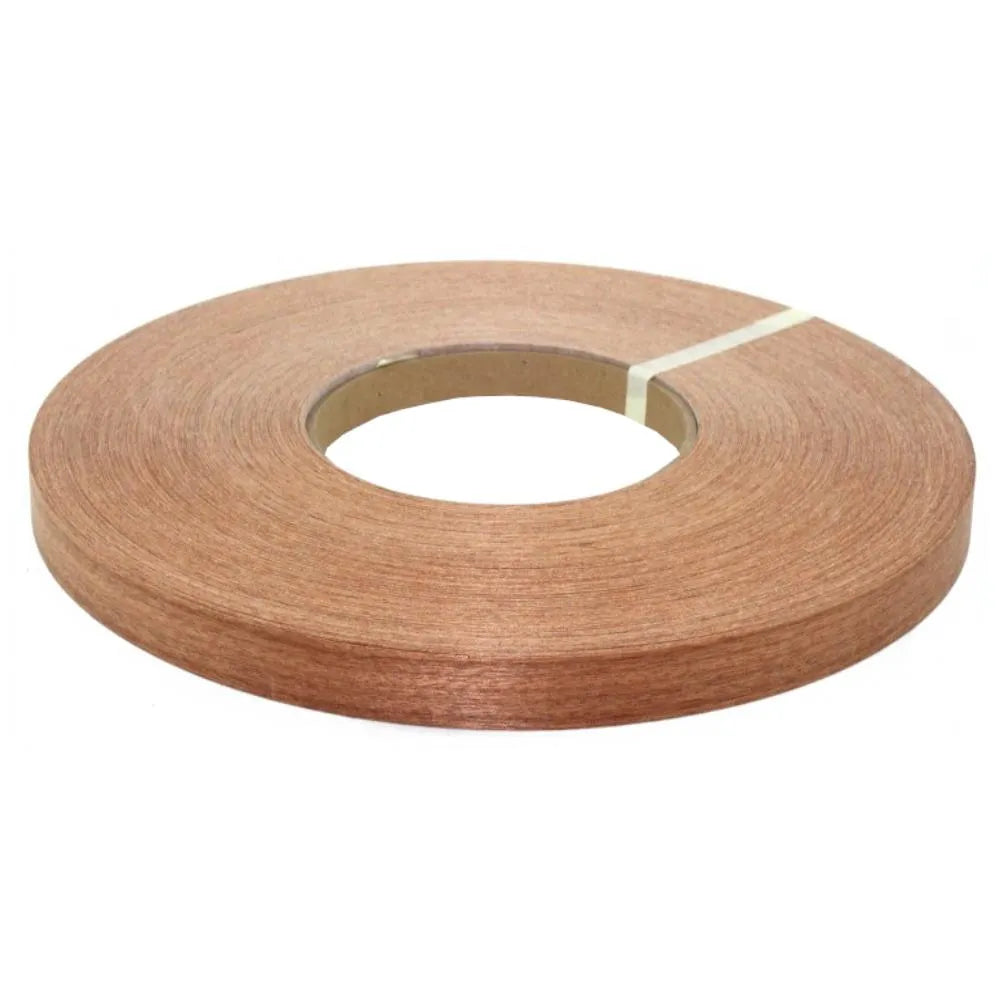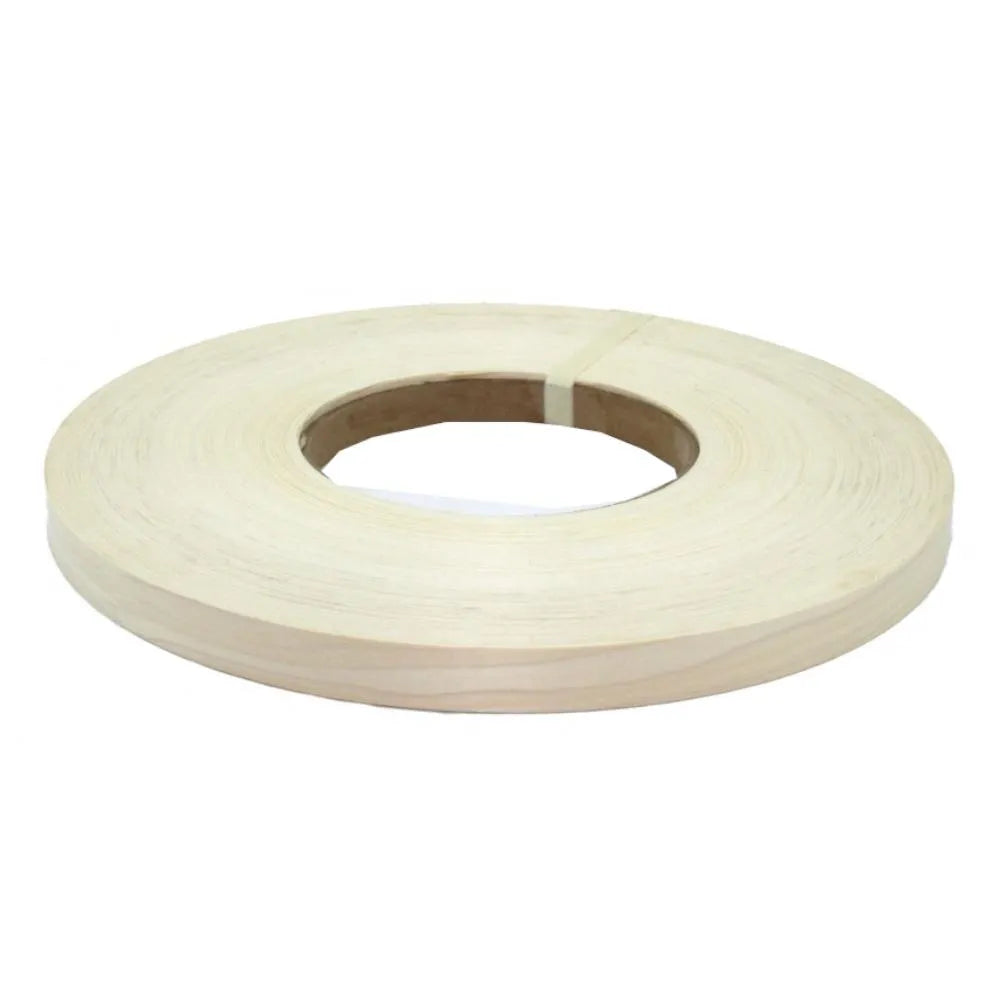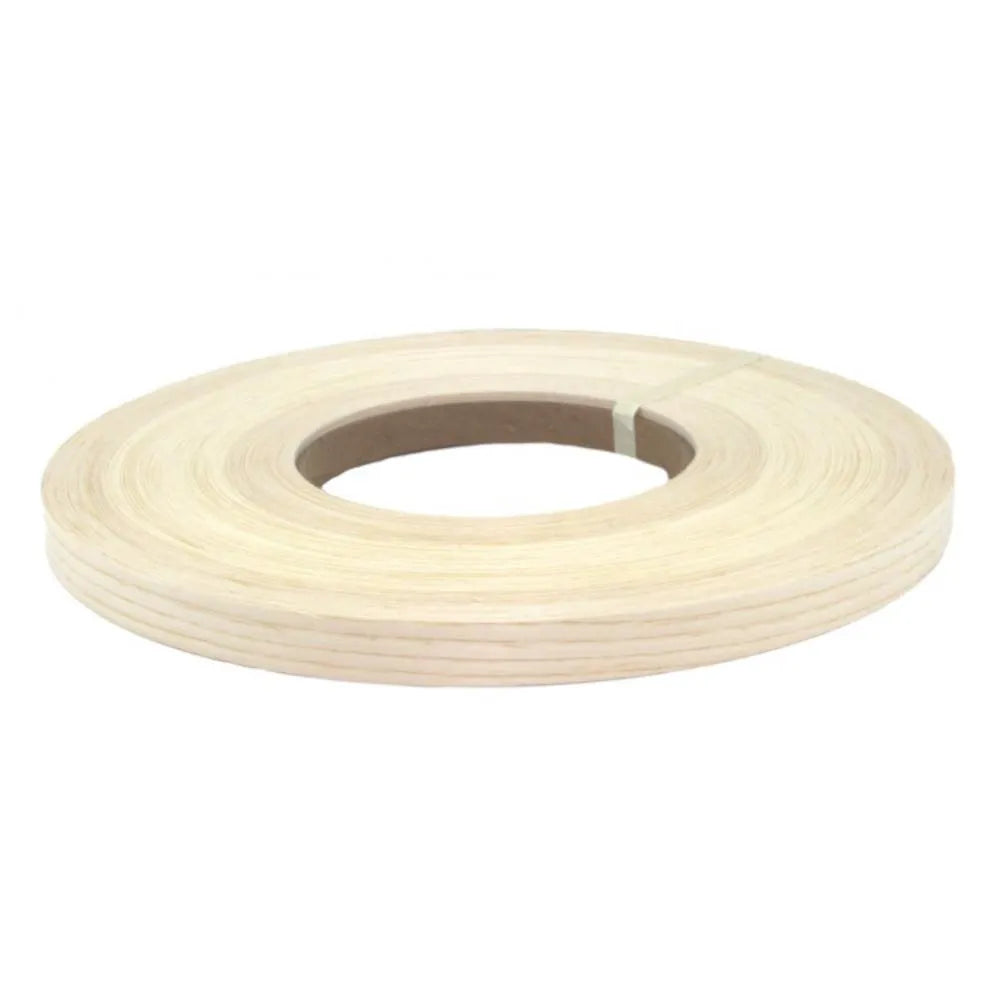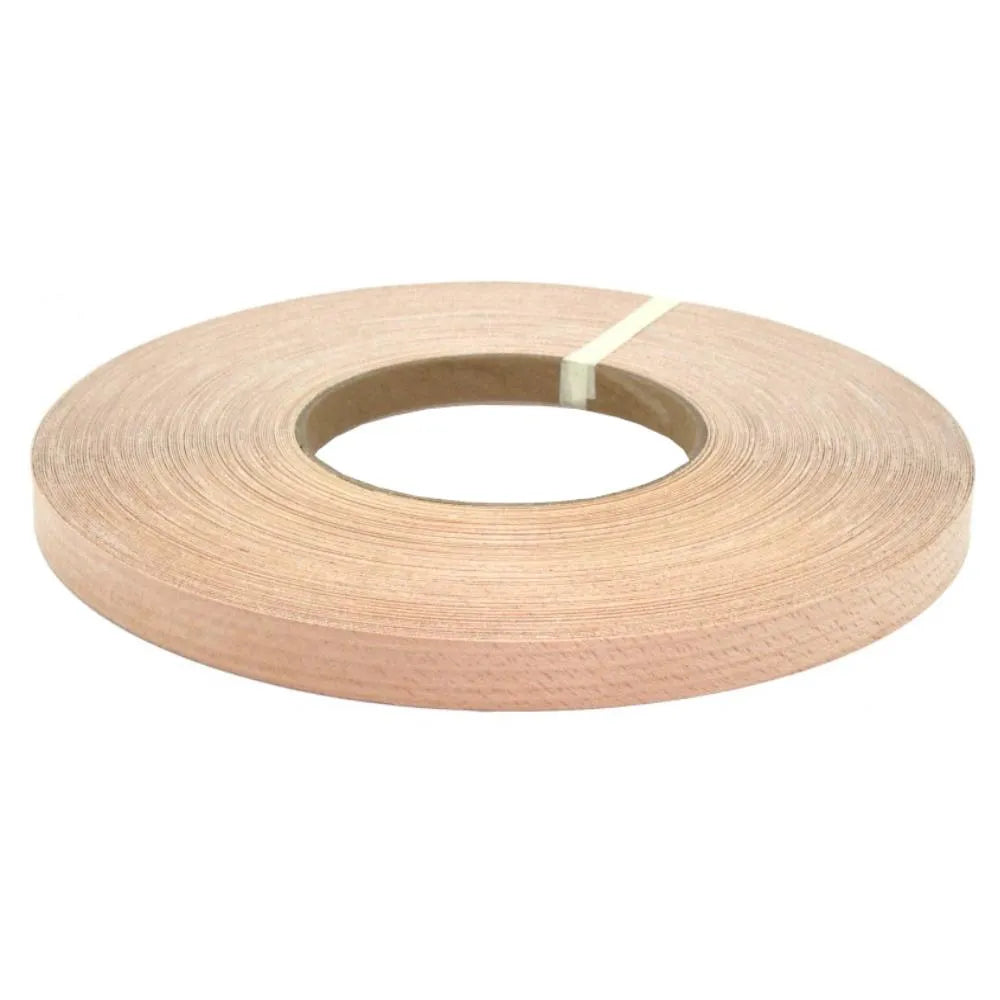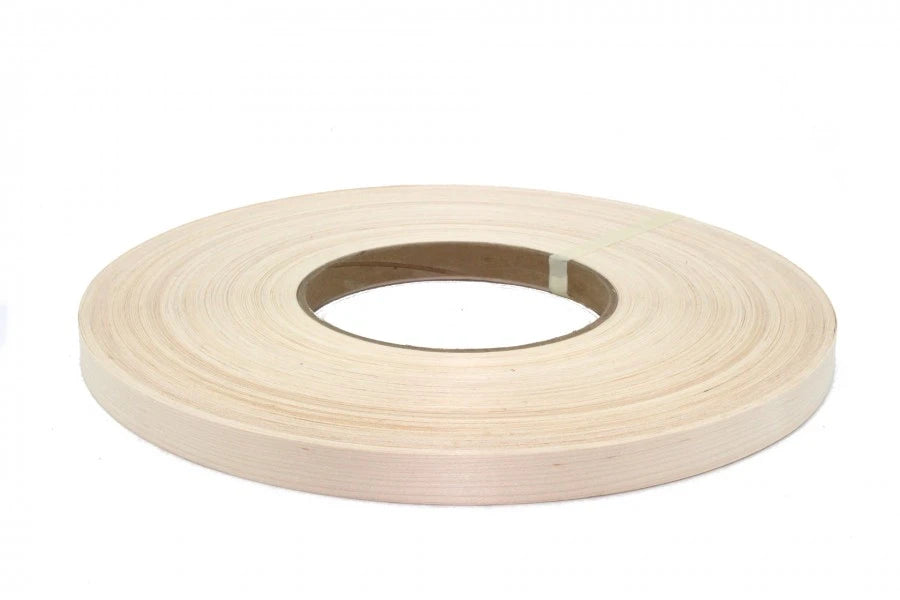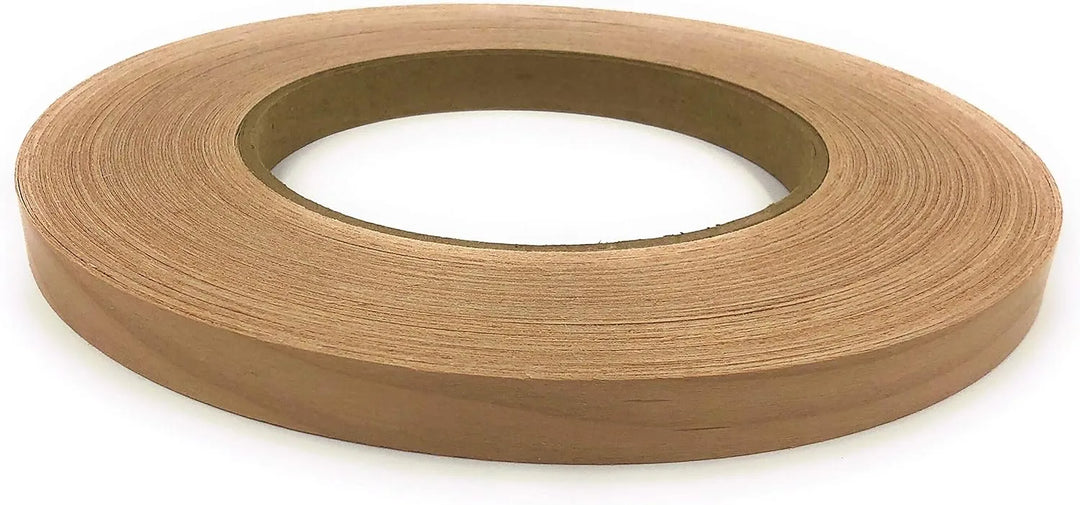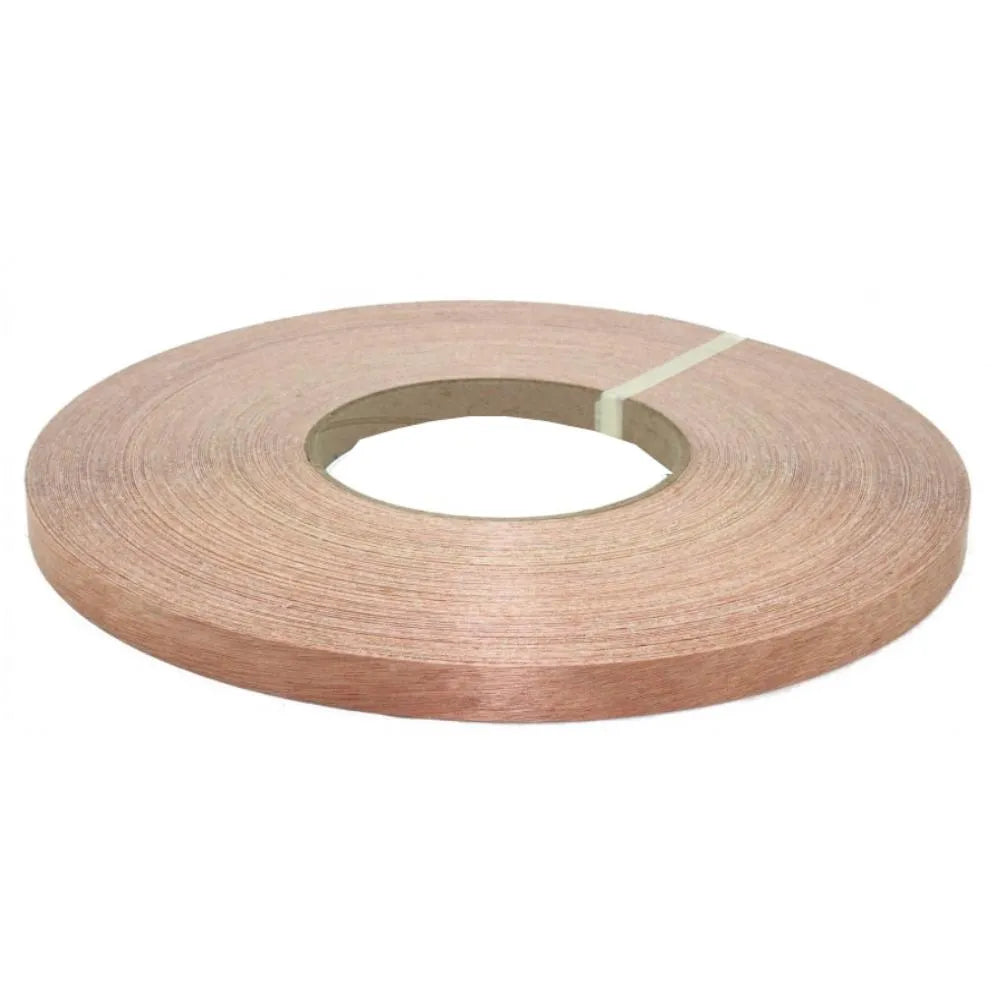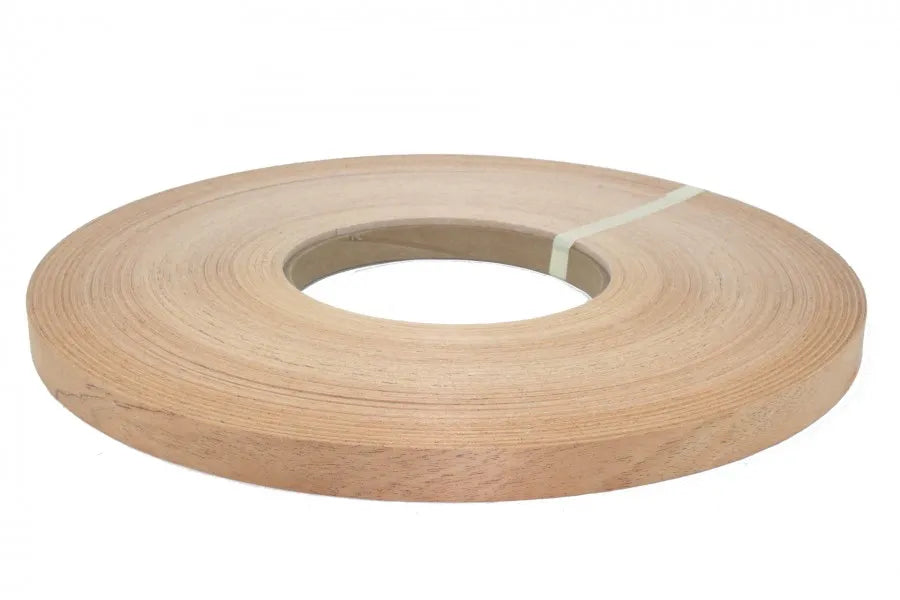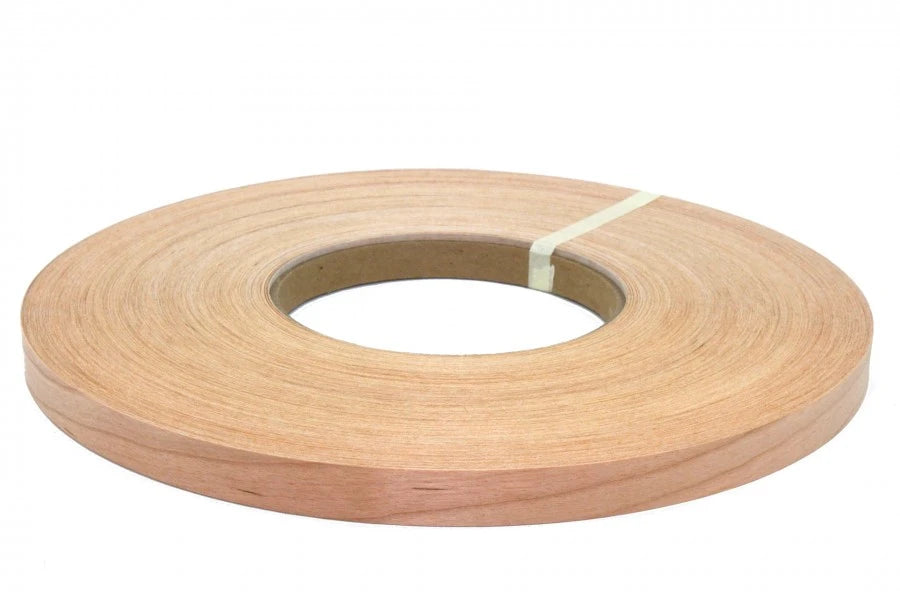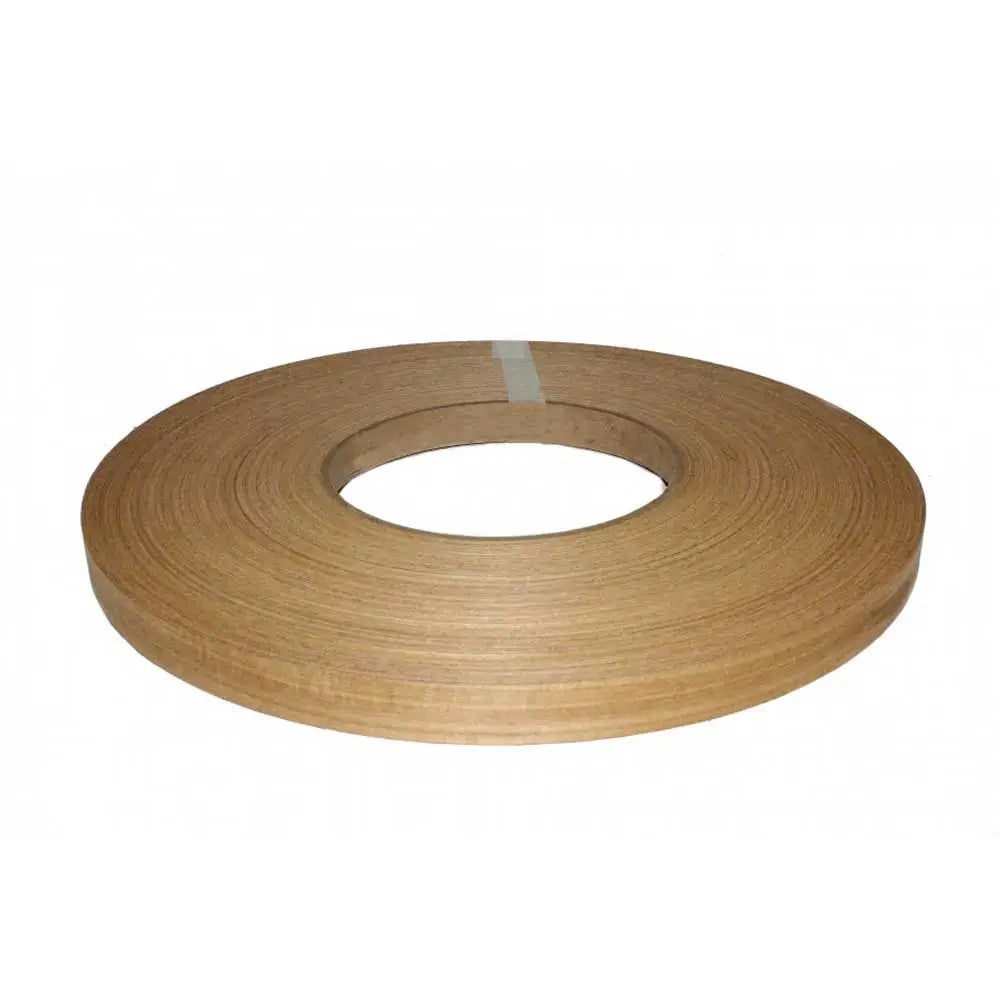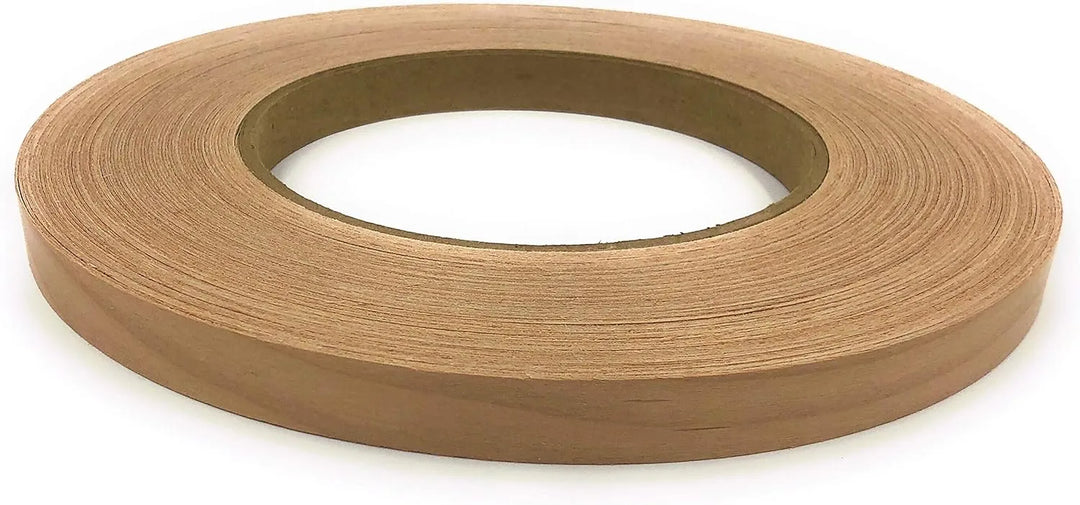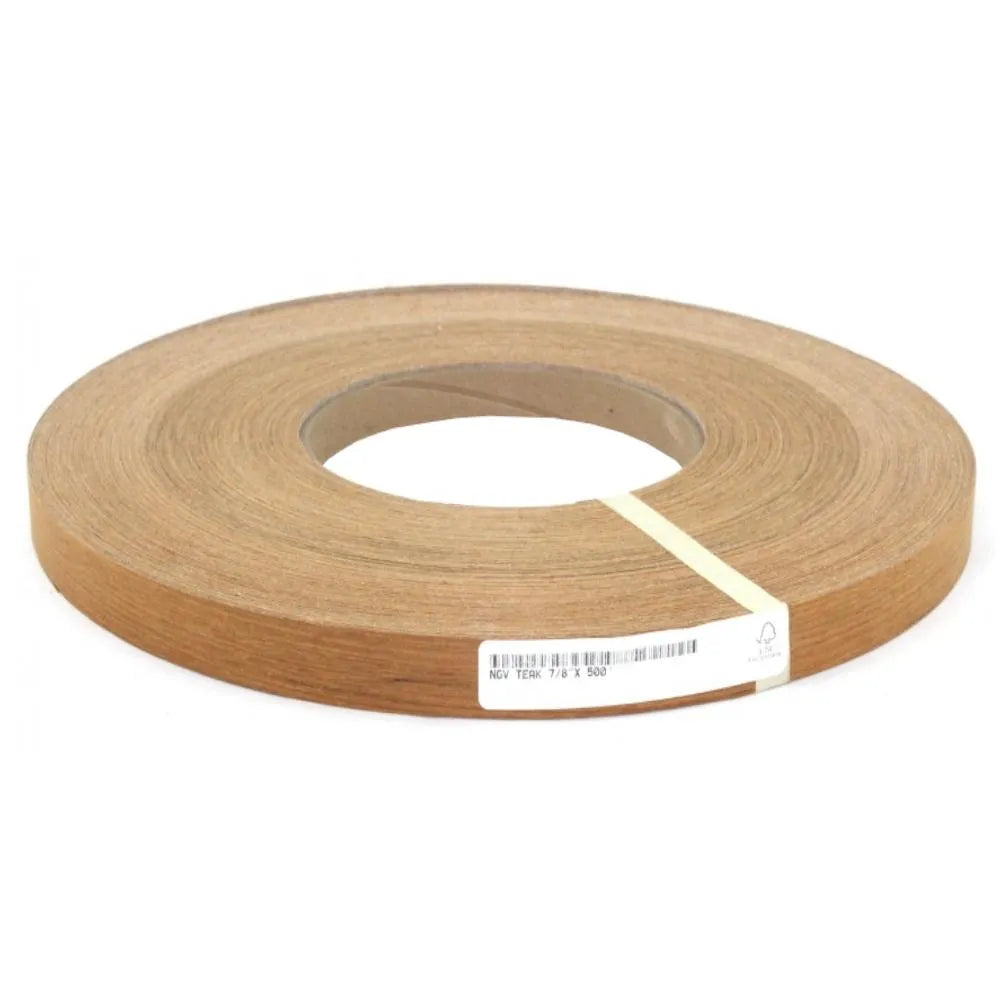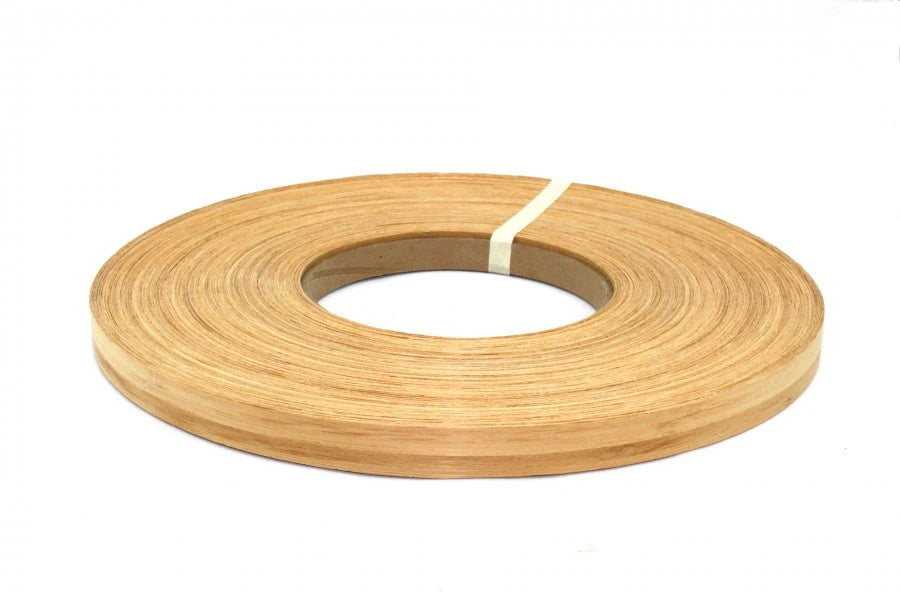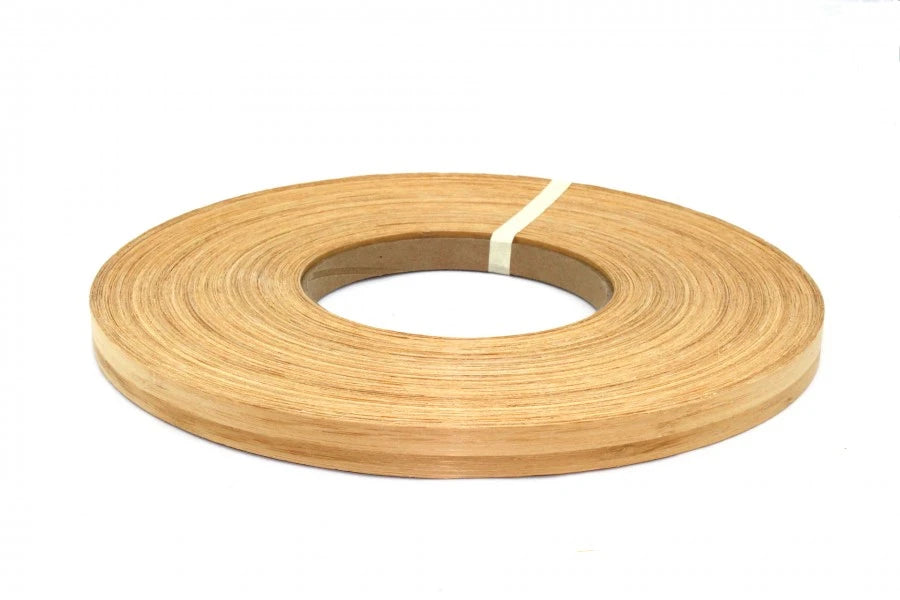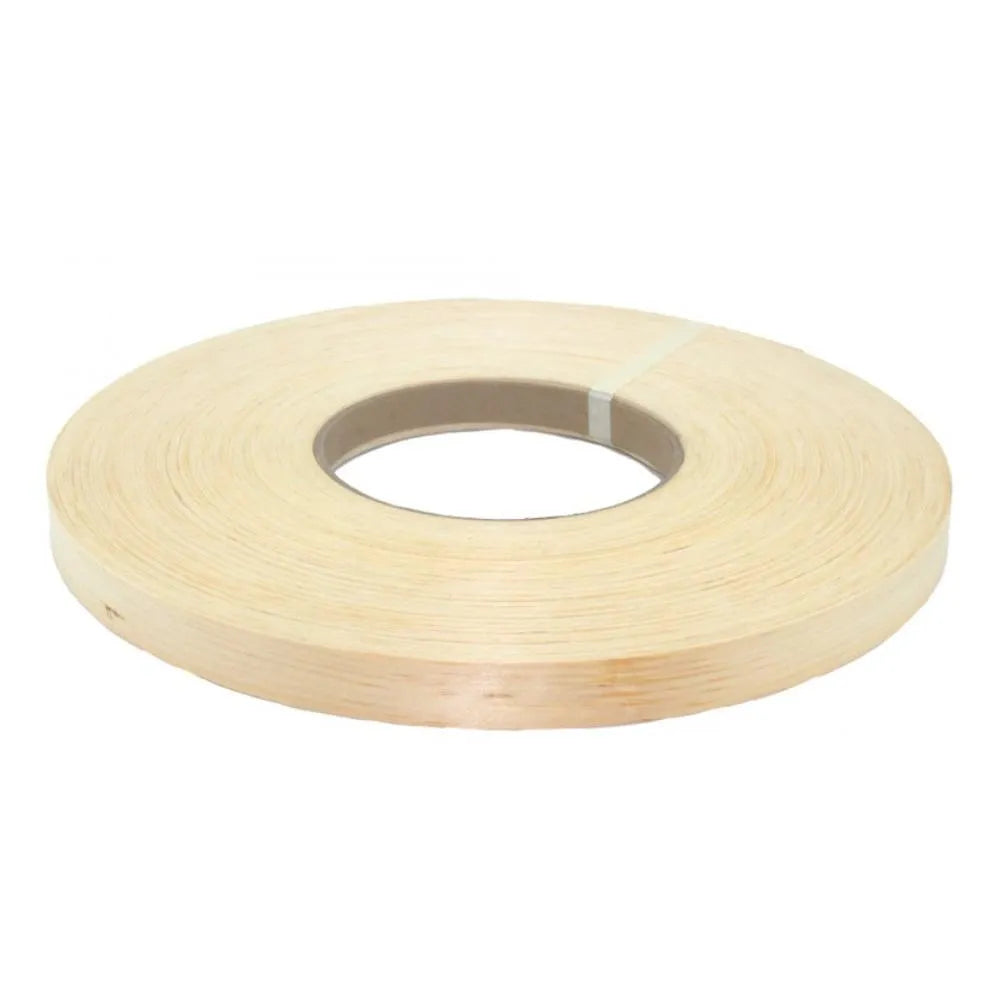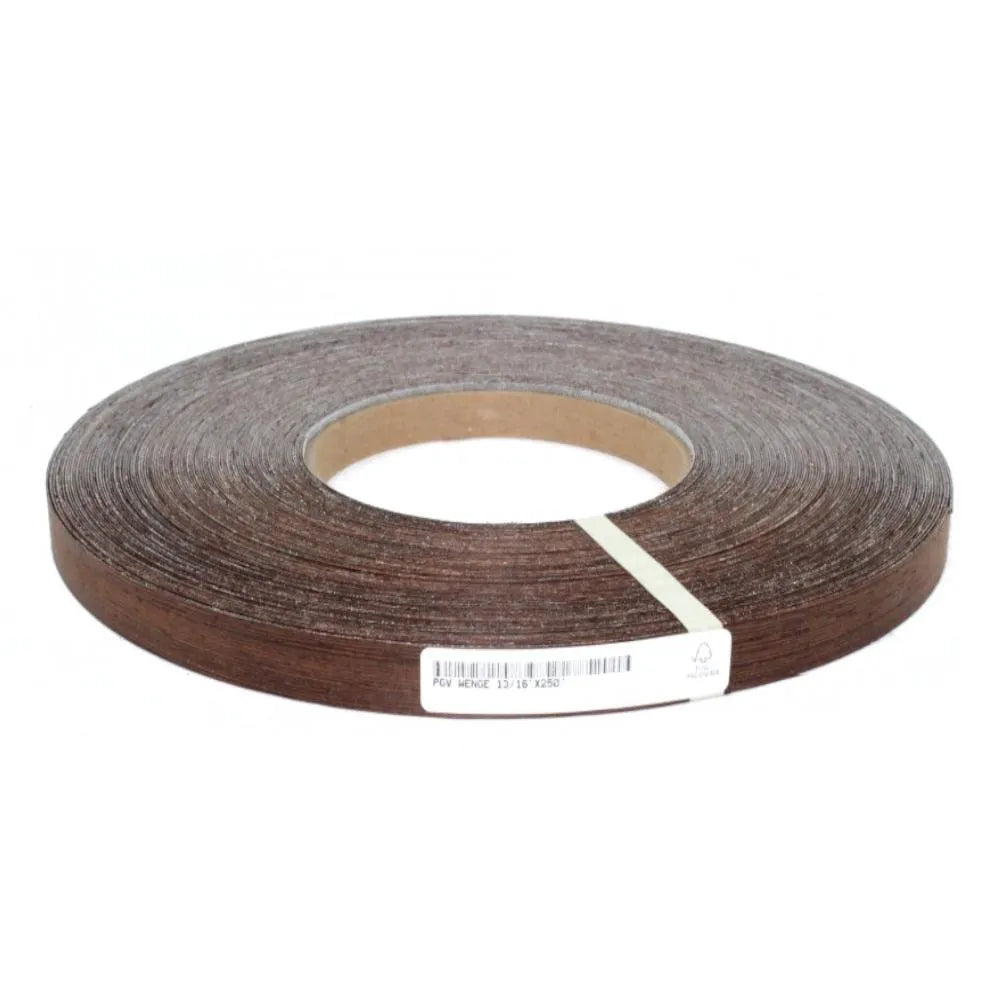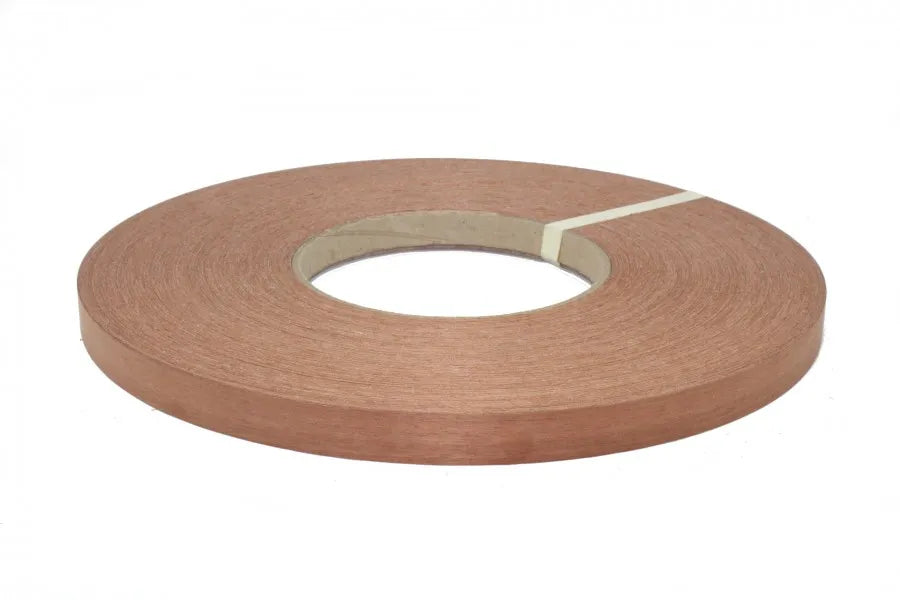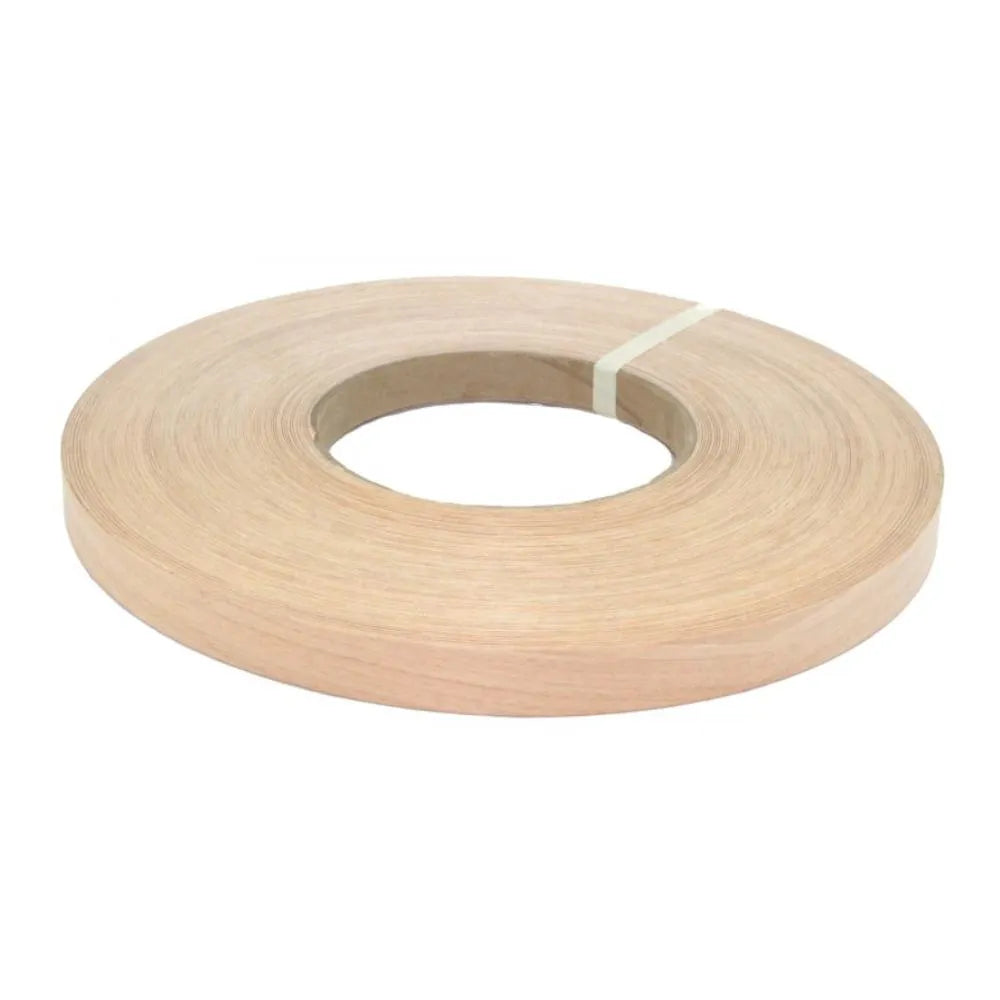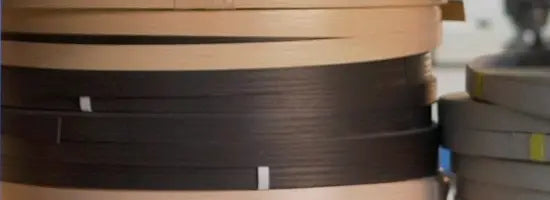

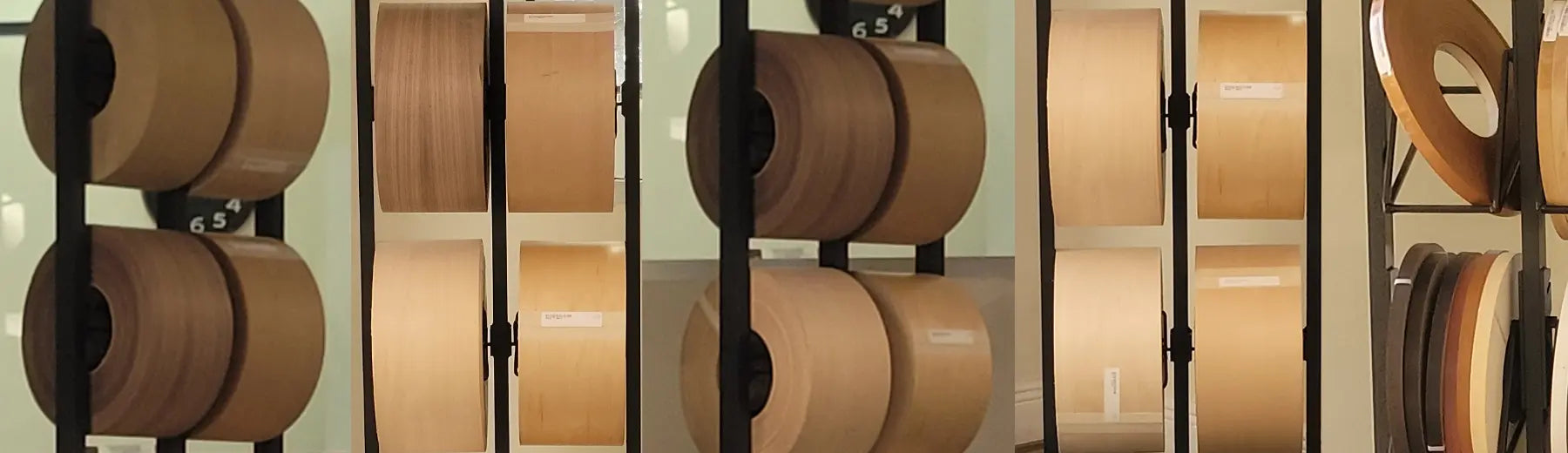
wood edge banding

Pre-Glued Veneer Edge banding

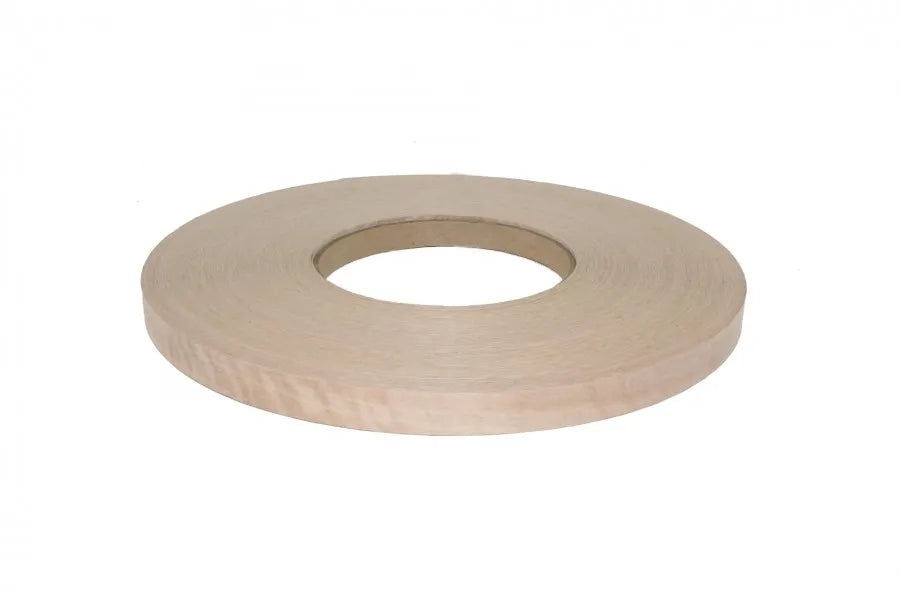
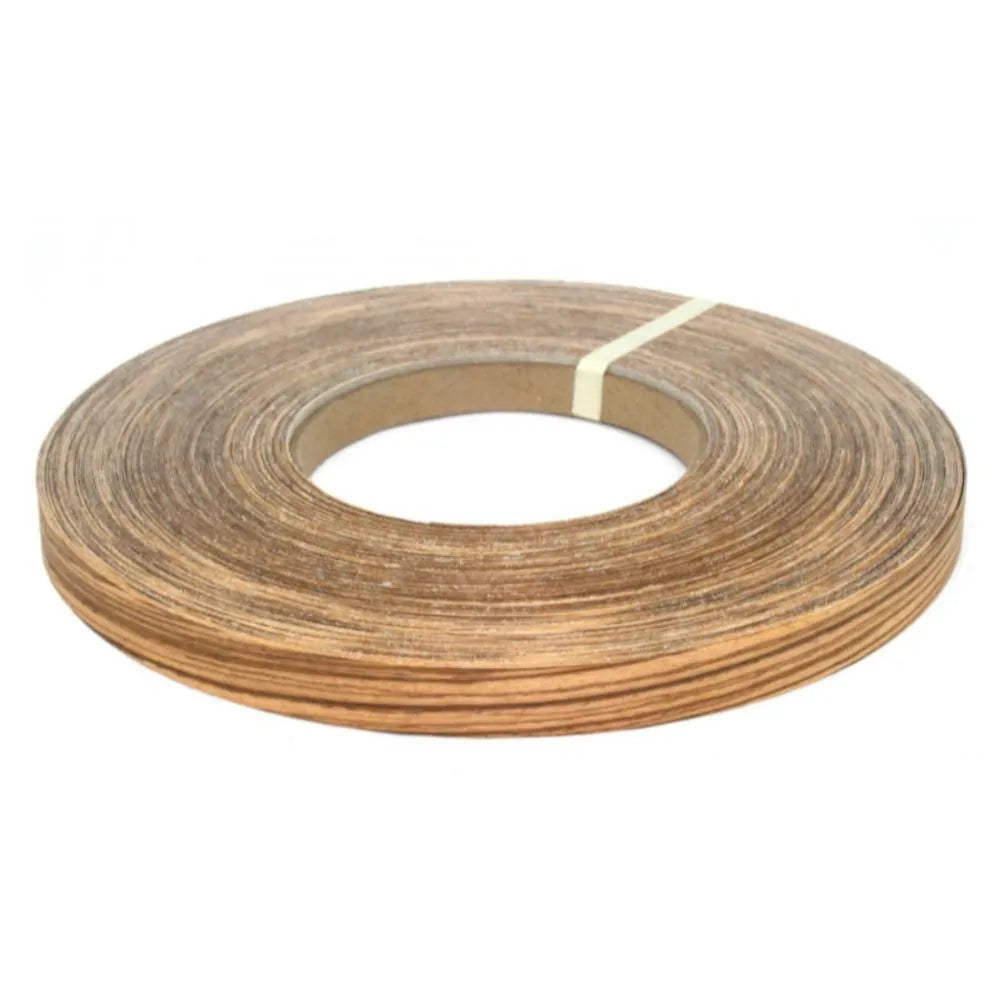
LEDGEBAND stocks pre-glued veneer edge banding in 29+ real wood species, with a heat-activated hot-melt backing that bonds using a household iron. Available in Pre-finished and non-finished, in widths from 5/8" to 2". No minimum order, fast U.S. shipping.

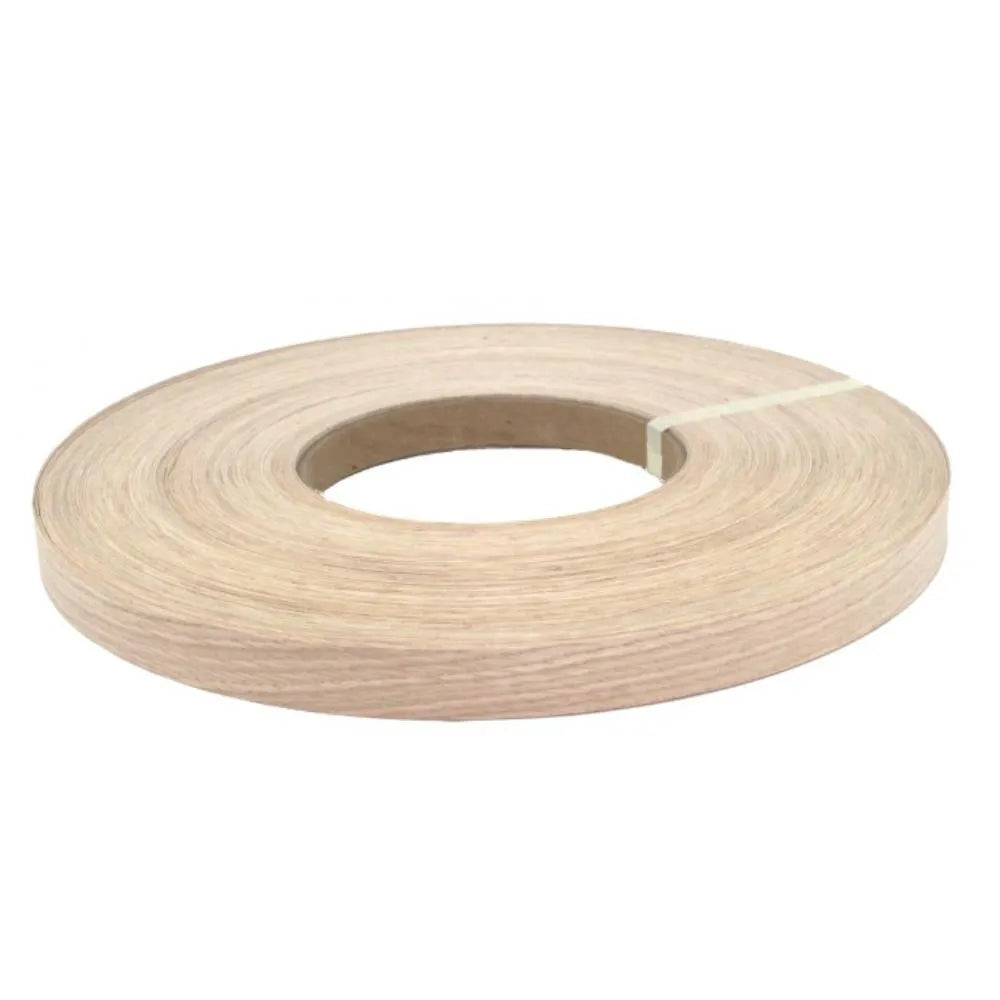
peel and stick edge banding

Peel & Stick Veneer Edge Banding

No mess, no hassle – DIY-friendly 3M PSA
wood tape for quick easy application.
Buy Online
iron on edge banding

Pre-Glued Veneer Edge Banding

Iron-on edge banding with strong adhesive – professional results without extra glue.
Buy Online
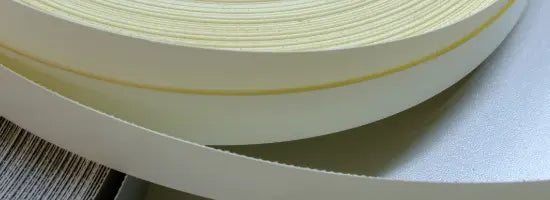
paintable pvc edg ebanding

Paintable PVC Edge Banding

Paint to match any cabinet – looks custom and lasts long.
Buy Online
pvc edgebanding

PVC Edge Banding

Durable PVC edgebanding, matches for any laminate brand, resists moisture, wear.
Buy Online

Pre-Glued Veneer Edge Banding for Cabinet Shops, Furniture Makers, and DIYers

Pre-glued veneer edge banding is real wood veneer with a heat-activated hot-melt adhesive pre-applied to the back. Position the strip, run a household iron across it, and the backing bonds in seconds — no separate glue, no clamps, no mix, no dry time. It's the fastest way to finish the exposed edges of plywood, MDF, or particleboard with an authentic solid-wood appearance. LEDGEBAND stocks species for furniture builds, cabinet refacing, custom millwork, and weekend projects.

Available Widths and Finishes

  • Widths (13 sizes): 5/8", 3/4", 13/16", 7/8", 15/16", 1", 1-1/8", 1-1/4", 1-3/8", 1-1/2", 1-5/8", 1-3/4", 2"
  • Finish options: Pre-Finished (factory sanded and sealed, ready to install) or Non-Finished (apply your own stain, oil, or topcoat)

Available Species

Popular wood species: Red Oak, White Oak, Hard Maple, Walnut, Cherry, Birch, Hickory, Red Elm, White Ash, Poplar, Mahogany, Alder, Steamed Beech, Yellow Pine, Pine, Douglas Fir.

Exotic wood species: Sapele, Afromosia, Teak, Wengue, Okoume, Makore, Zebrano, Eucalyptus, Anigre, Natural Bamboo, Bamboo Caramel.

Pre-Finished variants are available for Maple and Birch.

How to Apply Iron-On Pre-Glued Veneer Edge Banding

  1. Prepare the edge. Sand the panel edge flat and clean off dust. A clean, square edge bonds strongest.
  2. Set the iron. Use a medium-to-high dry setting (cotton, no steam), roughly 325–375°F. Set too hot risks scorching; too cool won't activate the adhesive.
  3. Position the strip. Align with about 1/16" overhang on each side.
  4. Iron in 4–6 inch sections. Apply firm downward pressure and move steadily. Each section cools in about a minute.
  5. Set with a block. Press a wood block or J-roller along the banding immediately after ironing to seat the adhesive.
  6. Trim flush. Use an edge trimmer or sharp utility knife. Finish corners with 220-grit sandpaper.
  7. Finish. Non-Finished species accept stain, oil, lacquer, or polyurethane like any solid wood surface.

Pre-Glued vs. Peel-and-Stick vs. Non-Glued Veneer

Our veneer edge banding is offered in:

  • Pre-Glued / Iron-On— strongest permanent bond; requires heat. Best for furniture, cabinets, and built-ins meant to last.
  • Peel-and-Stick — pressure-sensitive adhesive; no heat, no tools. Best for fast repairs, prototypes, and low-stress surfaces.
  • Non-Glued (fleece/paper-backed) — Best for production shops or use contact cement.

Frequently Asked Questions

Yes. It's real wood — it accepts stain, oil, and topcoats like any solid lumber. Non-Finished variants are raw; Pre-Finished variants come pre-sealed. Always test your stain on a scrap first because thin veneer absorbs slightly faster than thick stock.
Yes. Prime with a shellac-based or water-based primer before topcoating.
Plywood, MDF, particleboard, melamine panel cores, and solid wood edges. The adhesive needs a porous-enough surface to bond. Glossy laminate faces are not ideal.
No — any household iron works. Many woodworkers dedicate a separate iron for edge banding because trace hot-melt can transfer to the soleplate over time.
Yes. A heat gun or a commercial edge-bander machine both work. A clothing iron is simply the most accessible tool.

Properly applied, the hot-melt bond is permanent under normal indoor conditions. Avoid continuous heat above 160°F or standing water for maximum longevity.